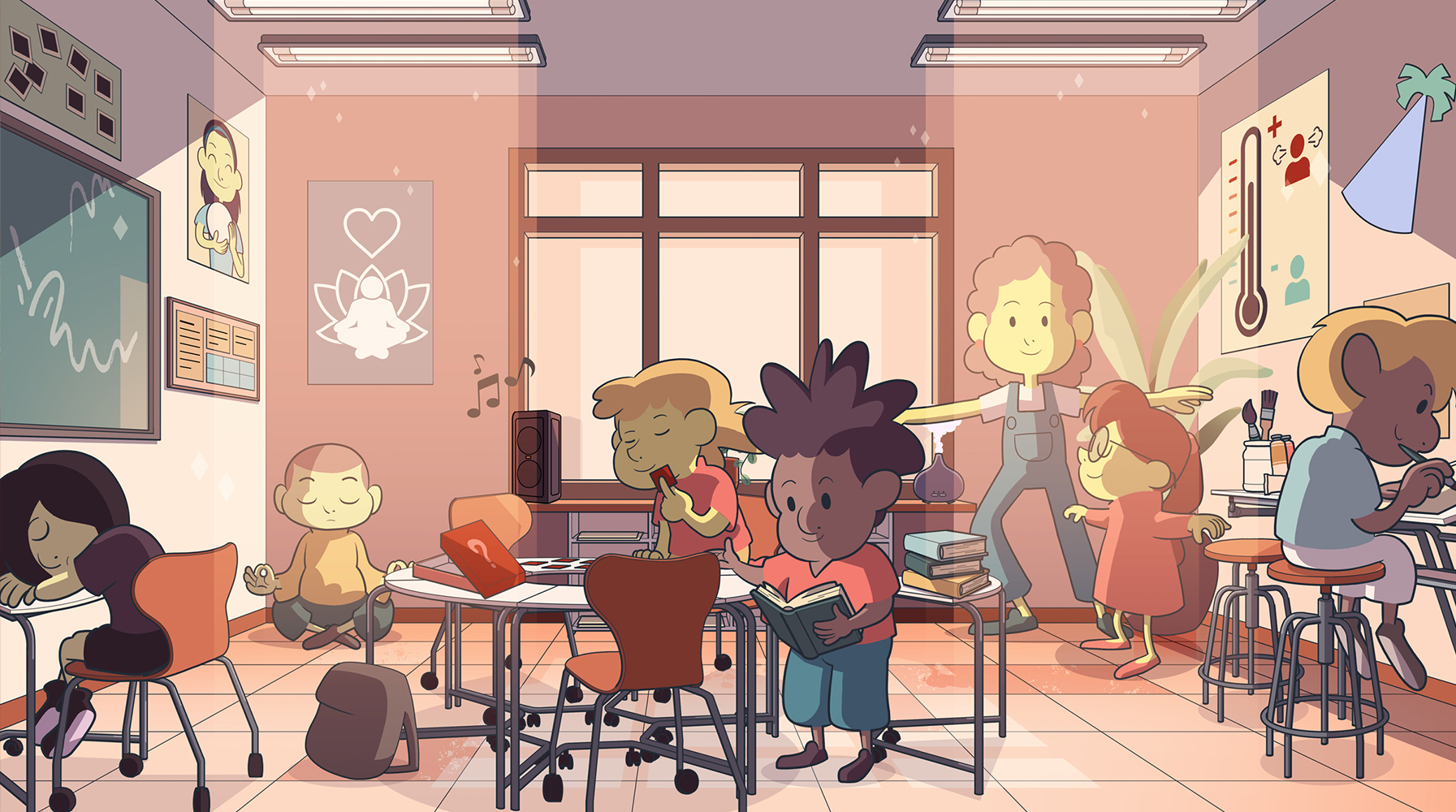
Have you ever stopped to think about how the spaces we live in affect our mental health? The SHE Foundation (Science, Health and Education), supported by the “la Caixa” Foundation, has taken a prevention-focused approach with an experience designed both to assess the state of children’s and young people’s environments and to drive meaningful change in habits at home, at school, and in secondary education.
The Challenge
The goal was to design a highly accessible digital solution that, while managed by teachers, kept students and their families firmly at the centre of the experience. The language had to be engaging and age-appropriate for users ranging from young children to teenagers, and the results needed to be available for analysis by the SHE Foundation’s research team.
The Solution
The Concept
To evoke a sense of active, healthy energy, we adopted the Japanese term Kenko as the project’s identity. Going beyond physical health, it speaks to a holistic sense of wellbeing rooted in protecting our emotional energy and steering clear of interpersonal «toxins».
Accessibility and Design
To ensure maximum compatibility across homes and schools, we built a web app accessible from any browser, optimised for desktop devices — the most common setup in educational settings. To address the wide age range, we developed two distinct experiences, each with content, language, and dynamics tailored specifically to younger children and to teenagers and adults.
Gameplay
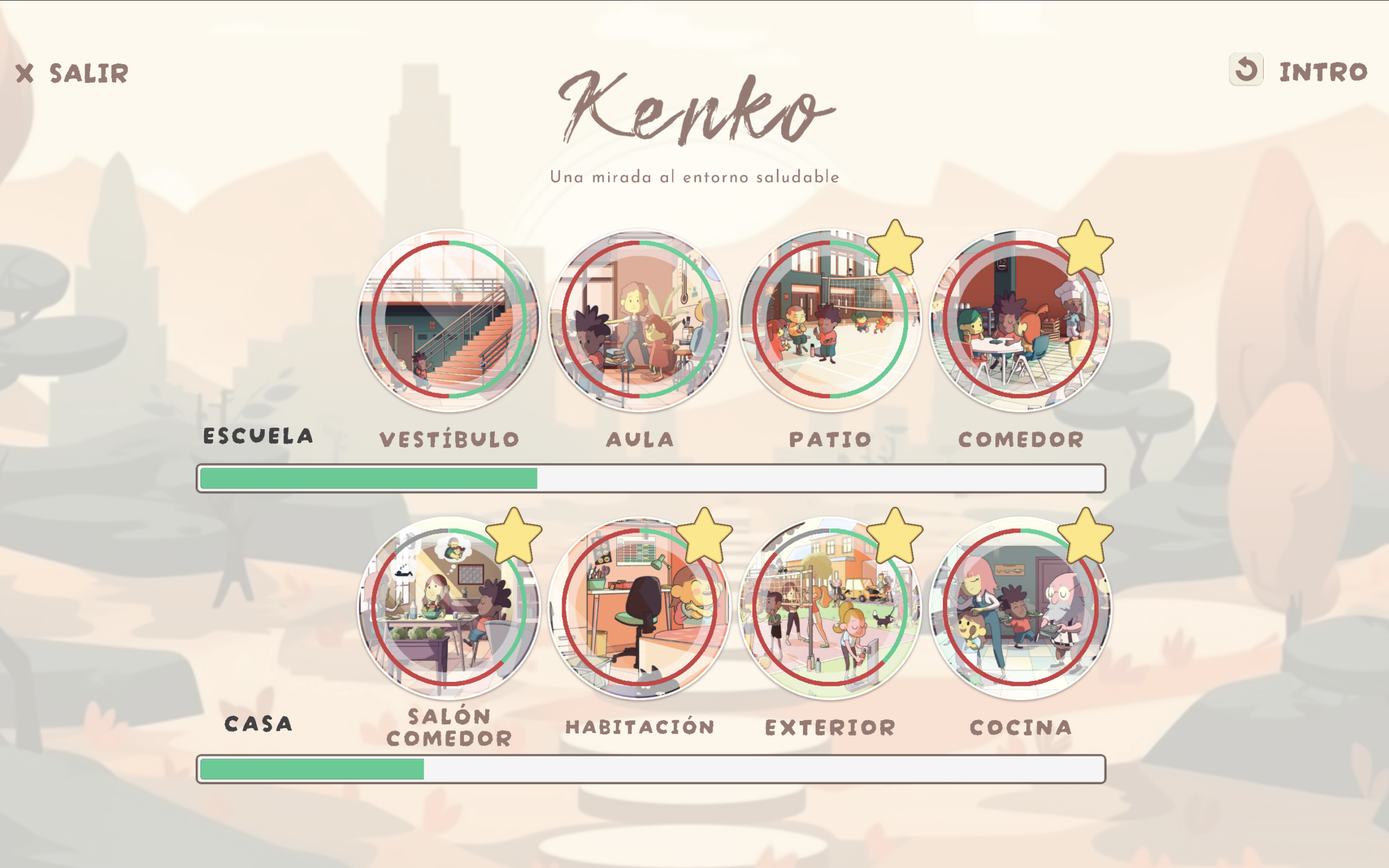
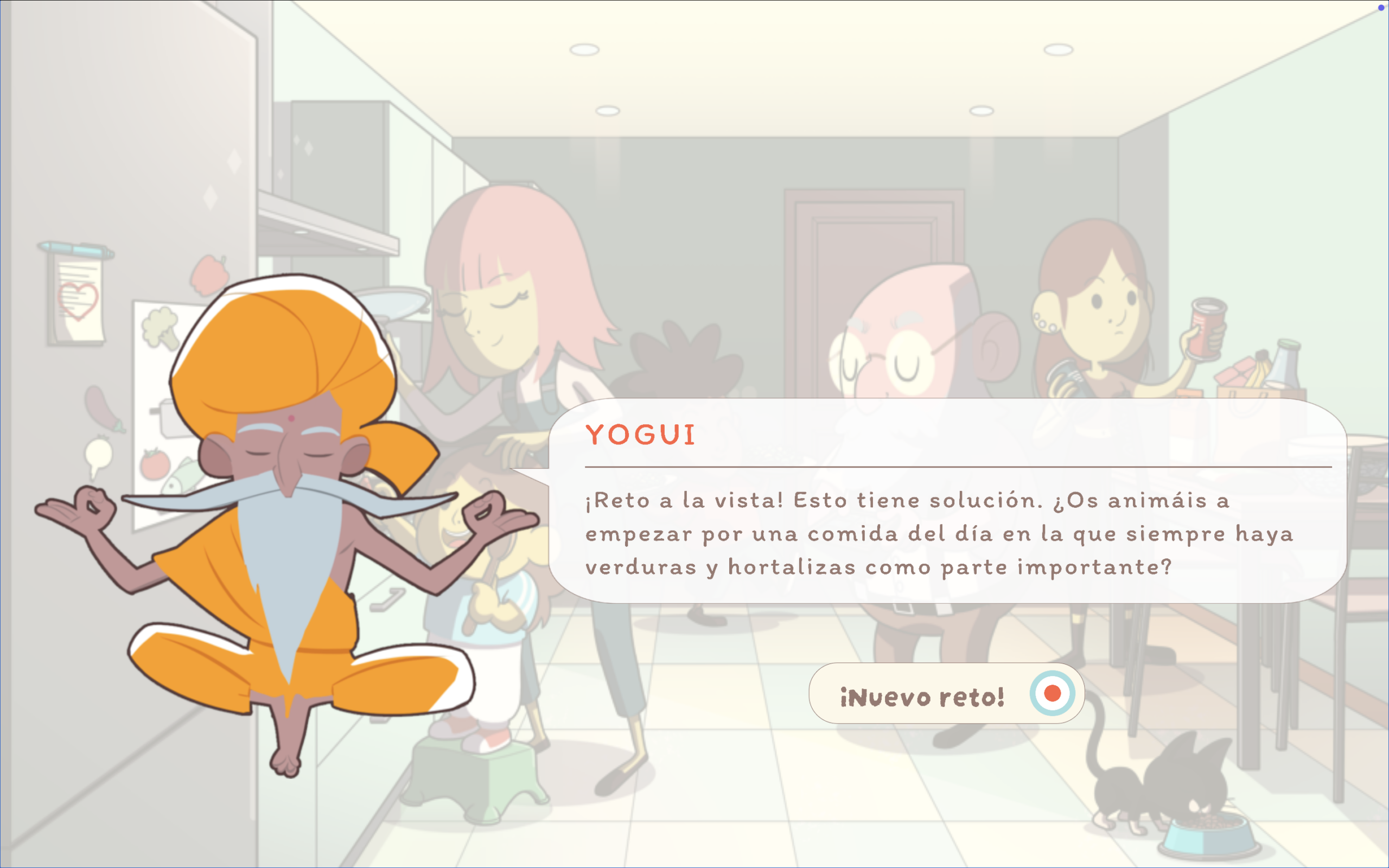
Upon entering Kenko, users are invited to explore eight scenarios split into two categories: home and school.
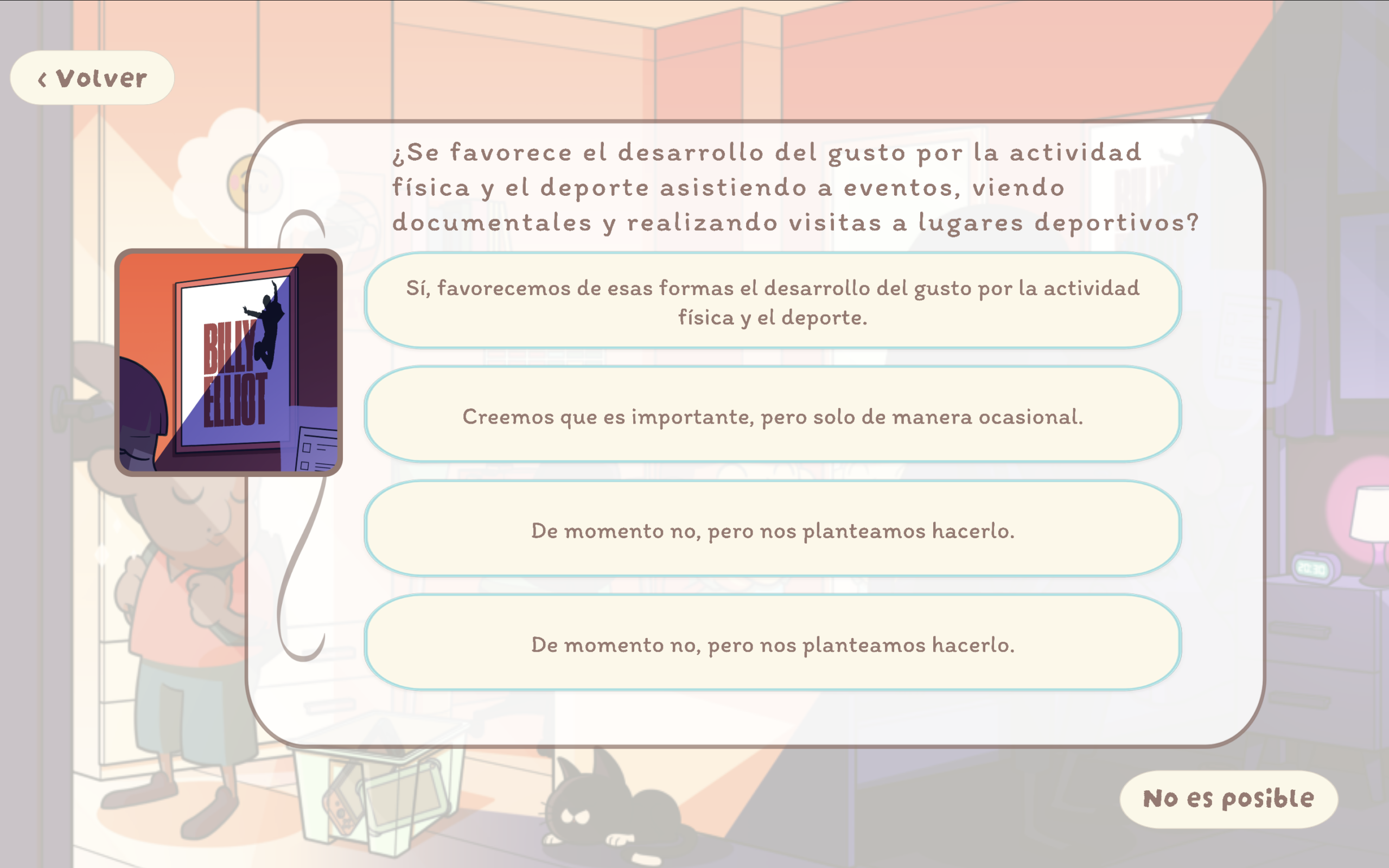
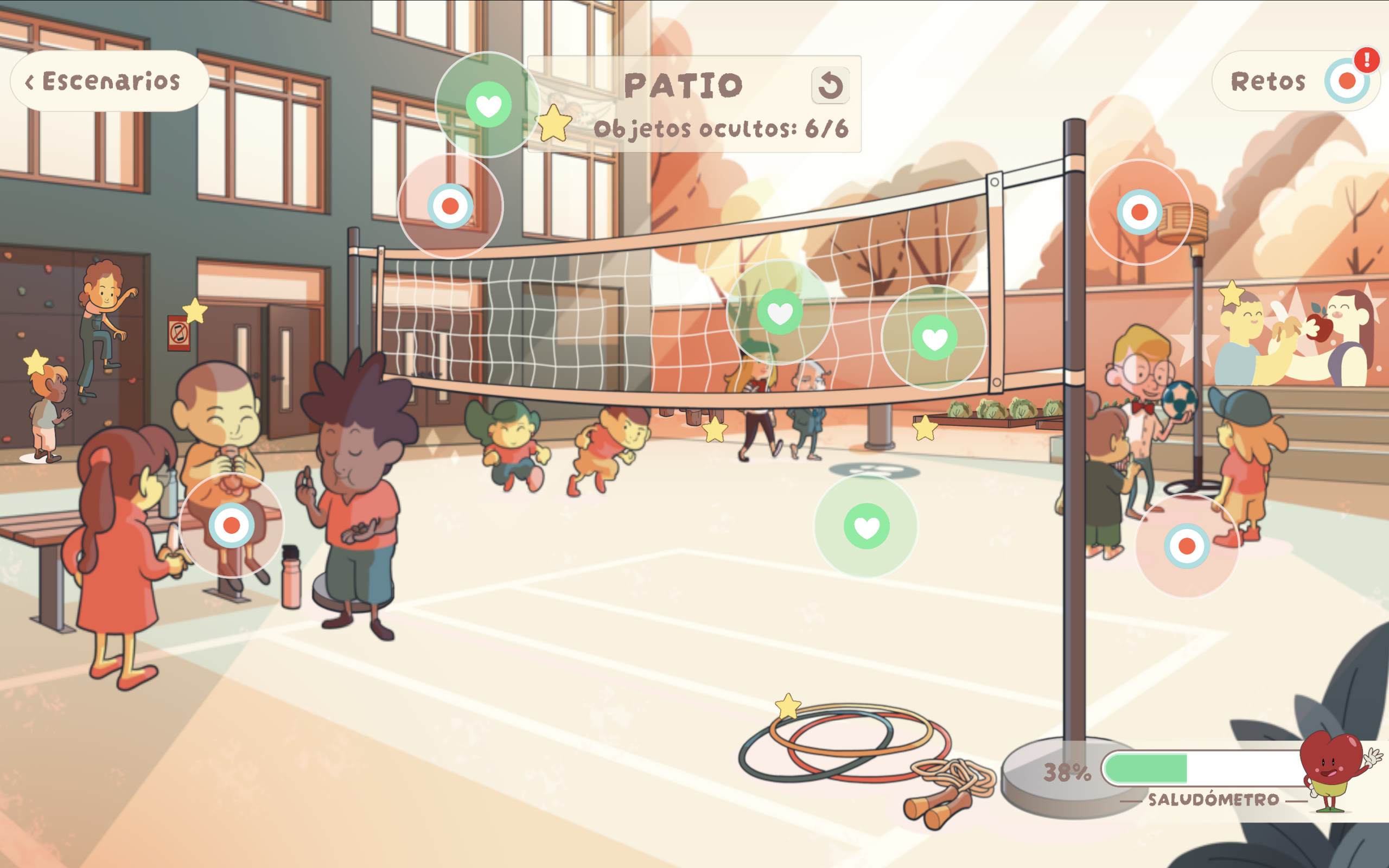
- Content: Each environment presents eight questions covering sustainability, emotional management, and social relationships.
- Response dynamics: The questions assess the presence or absence of healthy factors and their potential for improvement.
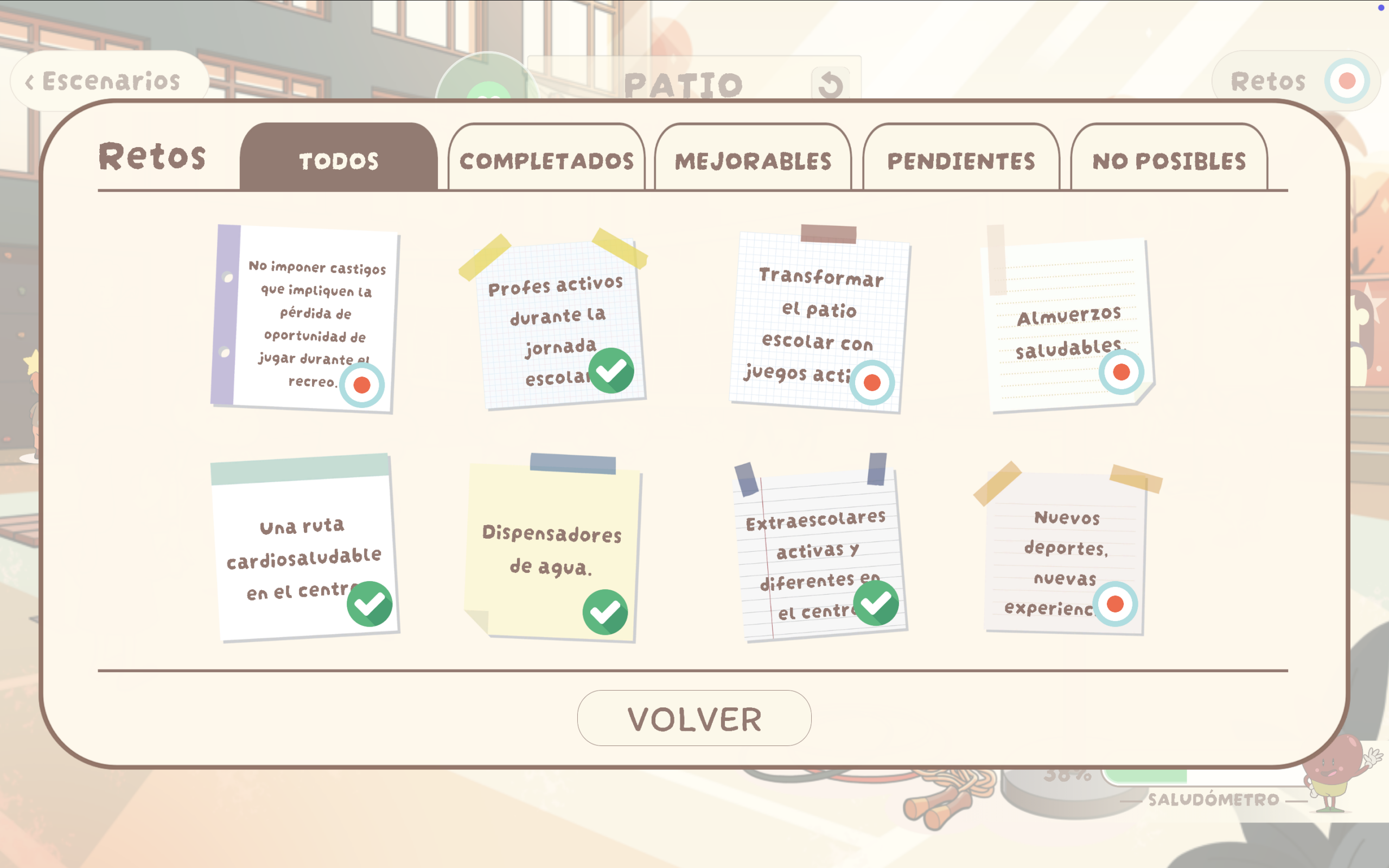
- Improvement challenges: When an environment’s assessment falls short, the system suggests targeted challenges to help improve it — enabling continuous self-evaluation. The challenge system is not binary, leaving room for partial completion in line with each school’s or family’s possibilities.
- Child-friendly adaptation: In the version for younger children, responses are simplified to Yes/No, and voiced dialogue lines are included to boost engagement and immersion.
- Languages: Fully available in Spanish and Catalan.
Progression and Rewards
The system uses visual indicators to reflect the «health status» of each environment:
- Progress bars: These give users a clear view of their overall advancement and progress within each scenario.
- Motivation: The bars act both as an assessment tool and as a symbolic reward for actions taken inside and outside the app.
Additional gameplay layer — object search:
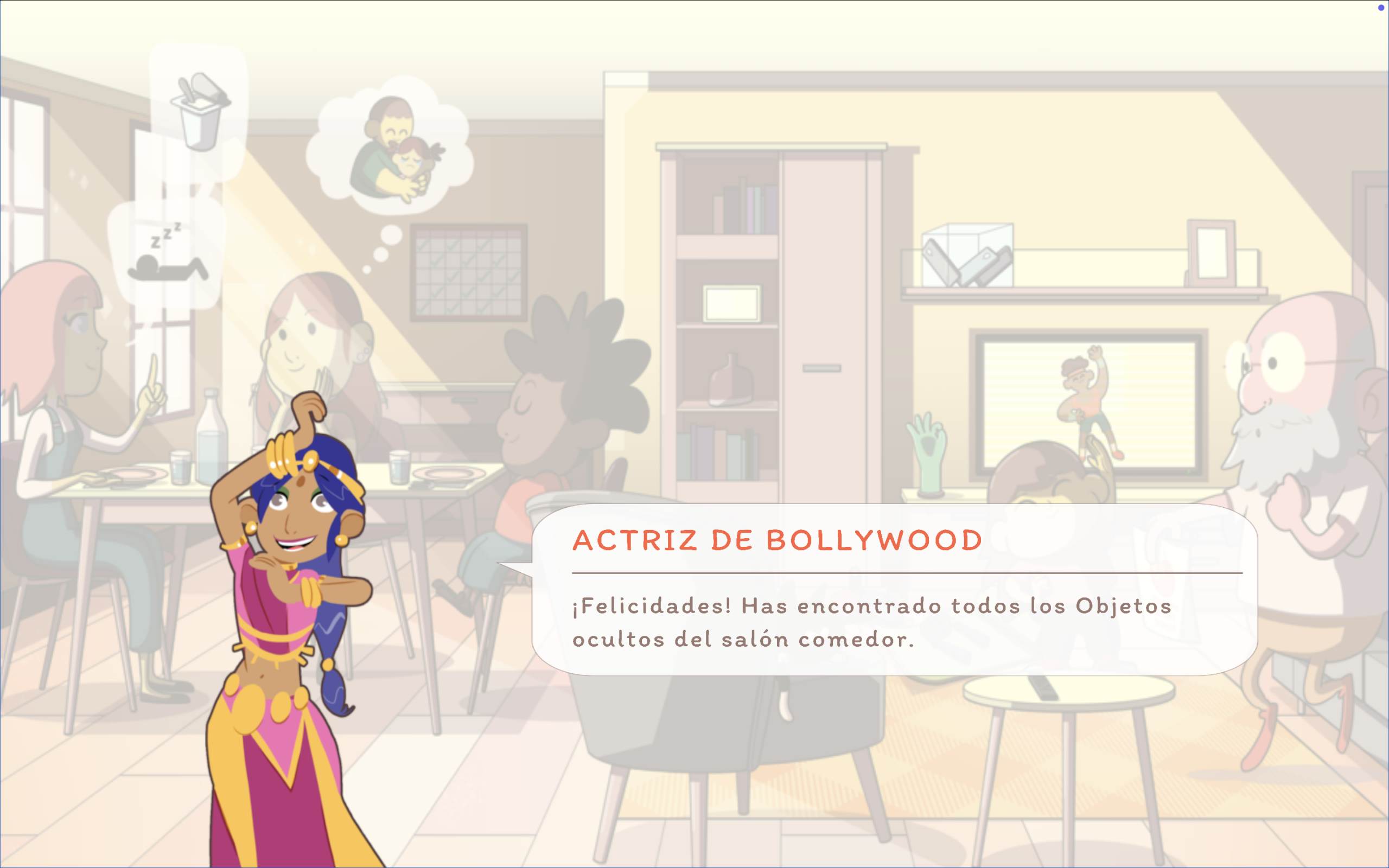
To increase engagement, we introduced a hidden object mechanic. Finding every element within a scenario unlocks a special badge (an achievement or medal), encouraging users to explore the full experience.




Data Analysis
To allow the SHE Foundation’s research team to visualise the collected results, we built a dedicated management panel (backend). This tool makes it possible to:
-
Diagnose: Build a real picture of the health status of schools and homes based on participants’ input.
-
Drive continuous improvement: Plan interventions and improvements grounded in concrete data, making it an invaluable resource for raising the quality of spaces in both educational and family settings.
Each school’s teaching team also has access to its own management panel, where it can view aggregated data generated by its working groups.
Art and Interactive Narrative
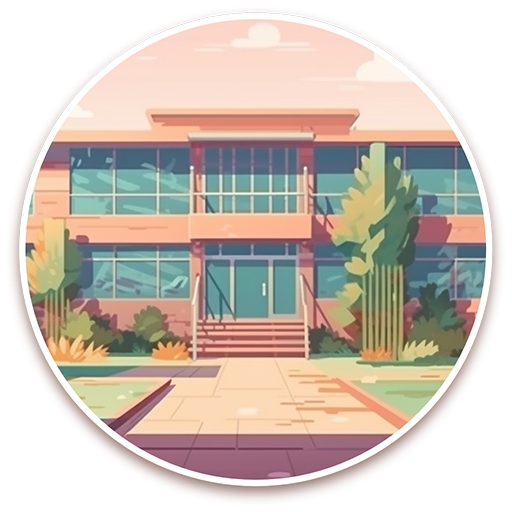
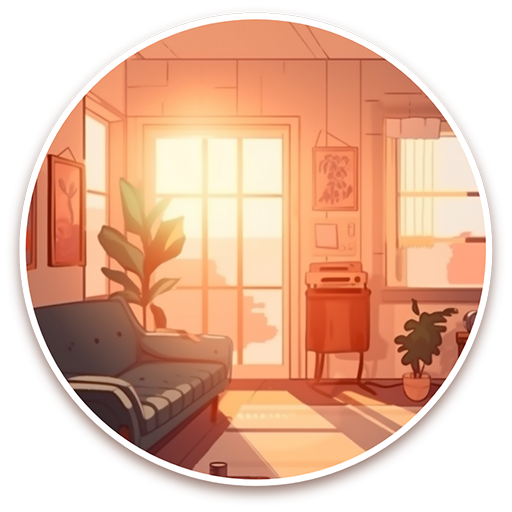
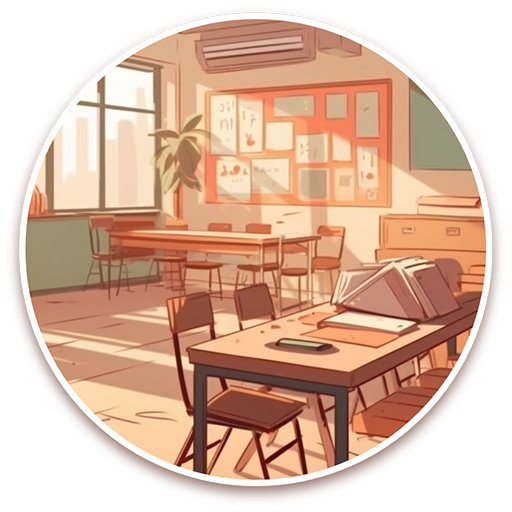
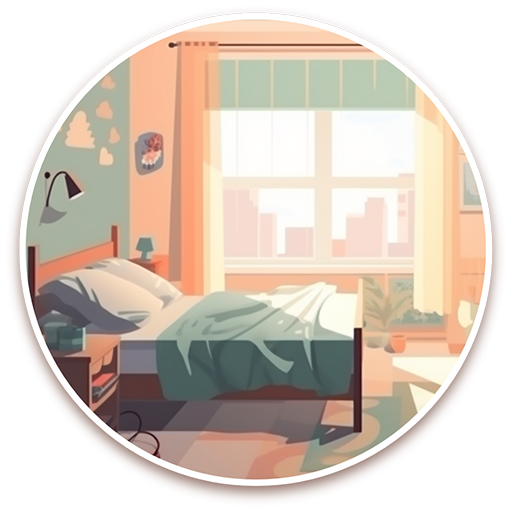
The scenarios, crafted specifically by our art and narrative teams, evoke the most familiar spaces of schools and family homes, making it easy for users to identify with the recreated environments while giving the experience a distinctive visual and narrative personality. The «Kenko World» works as a safe, motivating fictional setting.
Impact
To date, the experience has been exceptionally well received by its target audience and has generated growing demand for access from the teaching community. The project currently has 40 registered schools and an ecosystem of 74 active virtual classrooms, driven by 242 teachers and close to a thousand enrolled students, all of whom are already actively working to improve their healthy environments.
Technical Sheet
Number of players Individual experience
Recommended age 6–14 years
Difficulty Adapted to children’s and young people’s age groups
Session length 30 minutes per session
Production year 2026
Product type Web App
